Many people are surprised to learn that a notarized document isn't automatically ready to use in another country. Notarization and an apostille are two different steps, and documents going abroad often need both.
What notarization does
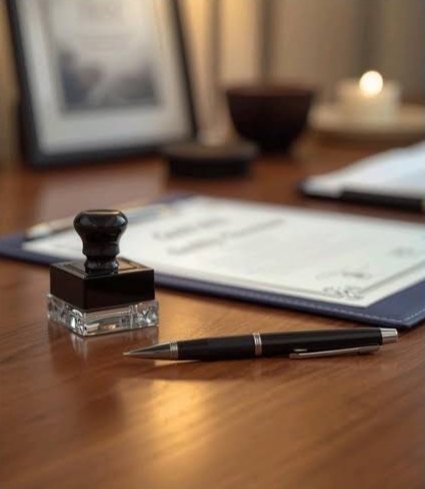
A notary confirms who signed a document. The notary checks the signer's ID, watches them sign or gives an oath, and adds a stamp and certificate. That's enough for most documents used here in New York.
What an apostille does
An apostille is a certificate a government office attaches to a public document. It confirms the signature of the notary or official on that document, so a country that belongs to the Hague Apostille Convention will accept it.
Which office issues yours
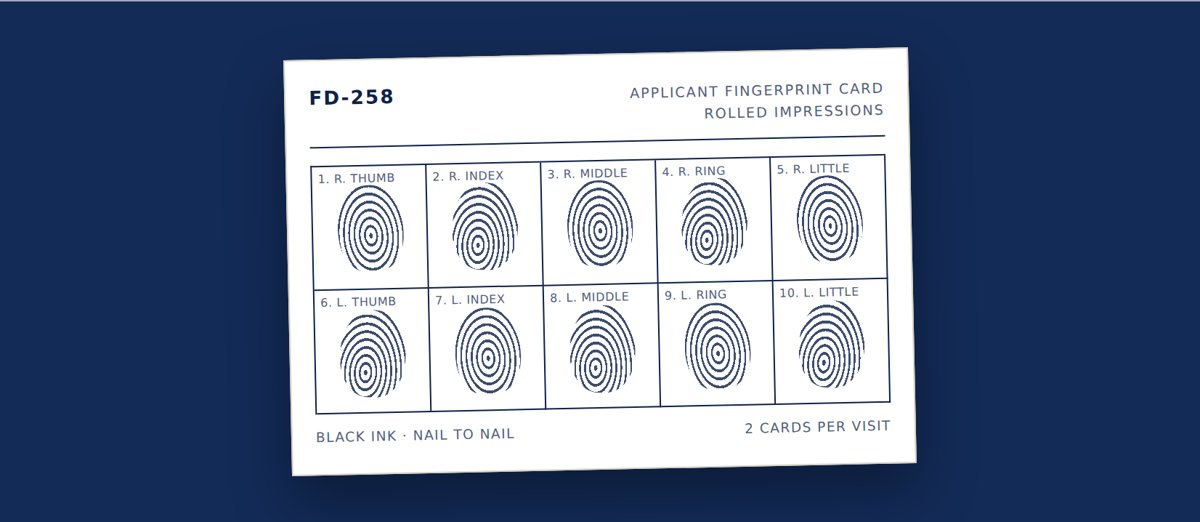
- New York documents. A notarized document first goes to the County Clerk, which certifies the notary's signature. Then the New York Department of State issues the apostille. Records like birth certificates need a certified copy from the issuing office first.
- Federal documents. An FBI background check, for example, gets its apostille from the U.S. Department of State.
- Other states' documents. An apostille comes from the state where the document was issued or notarized.
Countries outside the Convention
Countries that aren't part of the Hague Apostille Convention use a longer process called legalization, which can include a stop at that country's consulate.
Common documents that need apostilles
Birth and marriage certificates, diplomas and transcripts, powers of attorney for property abroad, travel consent letters for minors, company documents and FBI background checks.
Our white-glove apostille concierge handles every step. We come to you, notarize what needs it, route your documents through each office and bring them back.